Rutting vs. shoving: telling pavement distress types apart
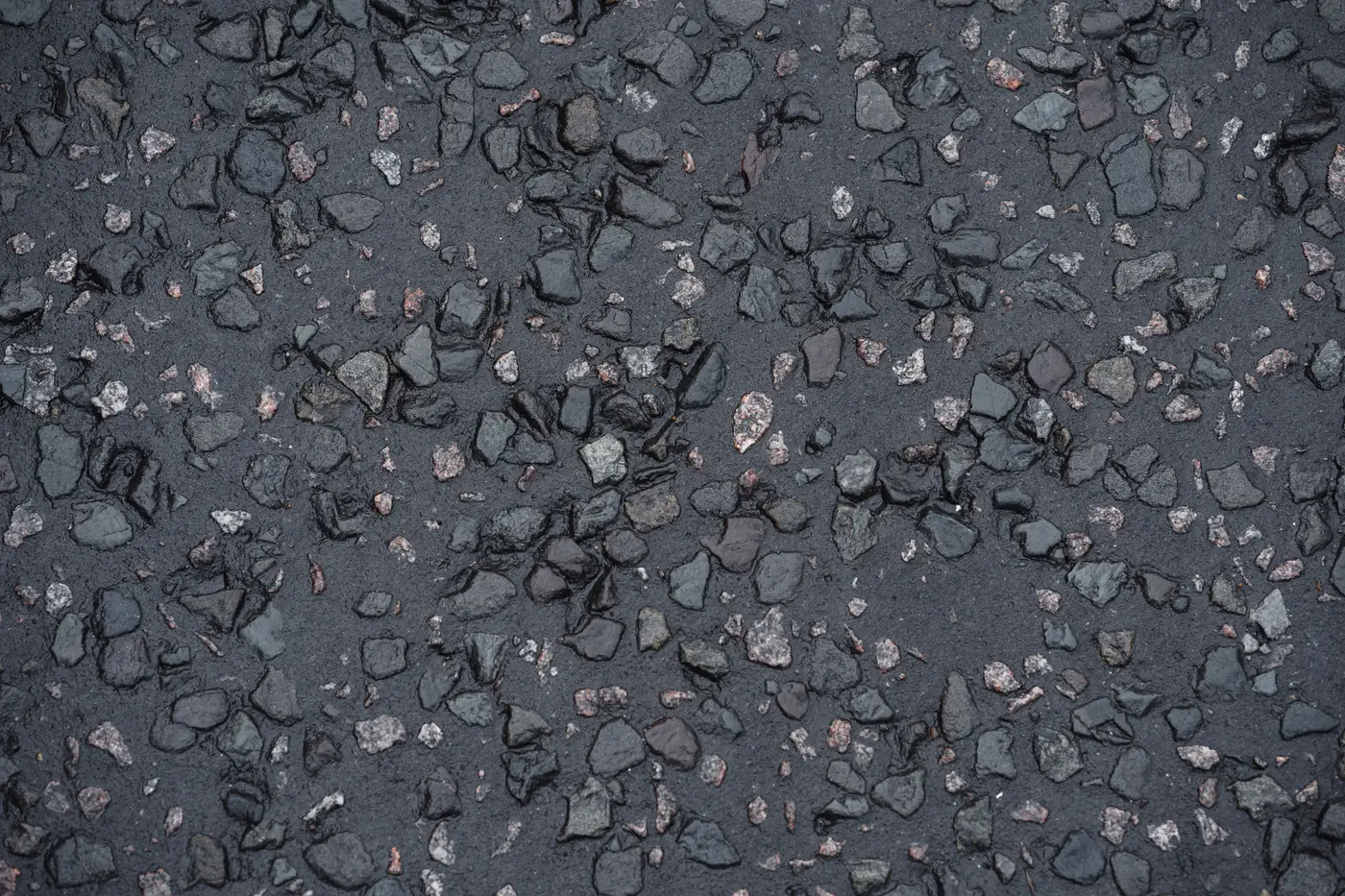
A crew pulls up on a resurfacing candidate and someone calls it rutting. Someone else calls it shoving. Both terms get used loosely in the field, and the difference matters because the fix is not the same. Rutting usually points to a structural problem working its way up through the pavement section. Shoving points to a mix problem at the surface. Specify the wrong treatment and you're back out there in two seasons.
What separates rutting from shoving
Rutting is a longitudinal depression that tracks the wheel path, running parallel to the direction of travel. It builds up slowly, load pass by load pass, as the base, subbase, or lower lifts of asphalt consolidate or deform under repeated truck axles. Run a straightedge across the lane and you can read the depth directly. Most agencies start flagging it for treatment somewhere past a half inch.
Shoving is different. It's a horizontal displacement of the mix itself, not a loading-history problem working up from below. You see it as a ripple or washboard pattern, often with short, transverse corrugations, concentrated right where vehicles brake, turn, or accelerate: intersection approaches, bus stops, loading docks, tight curves on a grade. The mix is shearing and pushing forward under horizontal force rather than consolidating under vertical load. A soft binder or an aggregate gradation that won't lock up under traffic is usually behind it.
Rutting runs with the lane and tells you something about the structural section underneath. Shoving bunches up against whatever stops a tire and tells you something about the mix on top.
Why this is hard to call from directly overhead
Here's the complication for anyone trying to read distress from imagery. Rutting and shoving are both deformation distresses. Each shows up as a change in surface elevation, which puts them in a different category than cracking or ravelling, where the surface stays level but the texture or crack pattern is what gives the distress away. A nadir image, whether from a satellite pass or an aerial survey flown straight down, is looking at the pavement from directly above. Without strong low-angle sun throwing a shadow into the rut, or a sensor built to capture elevation directly, a wheel-path depression a half inch deep doesn't register the way a crack or a patch does. Rut depth gauges, straightedges, and profilometer-equipped survey vehicles exist because measuring deformation is a field task, done down at the pavement with a tool that touches the surface.
Imagery still earns its place in building a resurfacing list. The distress types that show up reliably from directly overhead are alligator and longitudinal cracking, ravelling where the surface is losing aggregate and the texture reads rougher, and the footprint of patches marking where a segment has already been dug into once. A VHR pass picks those up well, and they correlate with the same segments where rutting or shoving tend to be developing underneath. A pavement section failing in one mode is usually stressed enough to be showing others too.
Putting the two together
A practical way to run this: let an annual wide-area pass flag where cracking, ravelling, and patching are concentrated across the network, then send a crew with a straightedge to those flagged segments to confirm whether rutting or shoving is also present before committing a treatment. That's a better use of field hours than rating every mile of the network from a truck before you know which ones matter. Road Surface Condition turns the annual pass into a network map and a ranked list by condition class, so the crews doing the deformation checks are checking the right segments first.
If your resurfacing list is still built from whoever's windshield survey got finished this season, it might be worth seeing what a full network read looks like before the next budget cycle.